Buy airbagjacket.eu ?
We are moving the project
airbagjacket.eu .
Are you interested in purchasing the domain
airbagjacket.eu ?
domain@kv-gmbh.de · 0541-91531010
Buy airbagjacket.eu ?
Why didn't Tolkien like Disney?
Tolkien didn't like Disney because he felt that the company's approach to storytelling and adaptation was too commercial and lacked the depth and seriousness of his own work. He was also concerned that Disney's adaptations would oversimplify and distort the themes and characters of his stories, which were deeply rooted in his own personal experiences and beliefs. Additionally, Tolkien was protective of his creative vision and wanted his work to be treated with the same level of respect and integrity that he had put into it. **
How many books did Tolkien write?
J.R.R. Tolkien wrote a total of 23 books during his lifetime. These include his famous works such as "The Hobbit," "The Lord of the Rings" trilogy, and "The Silmarillion," as well as various other essays, poems, and academic publications. Tolkien's books have had a lasting impact on the fantasy genre and continue to be beloved by readers around the world. **

Similar search terms for Tolkien
Top-Angebote
Products related to Tolkien:
-
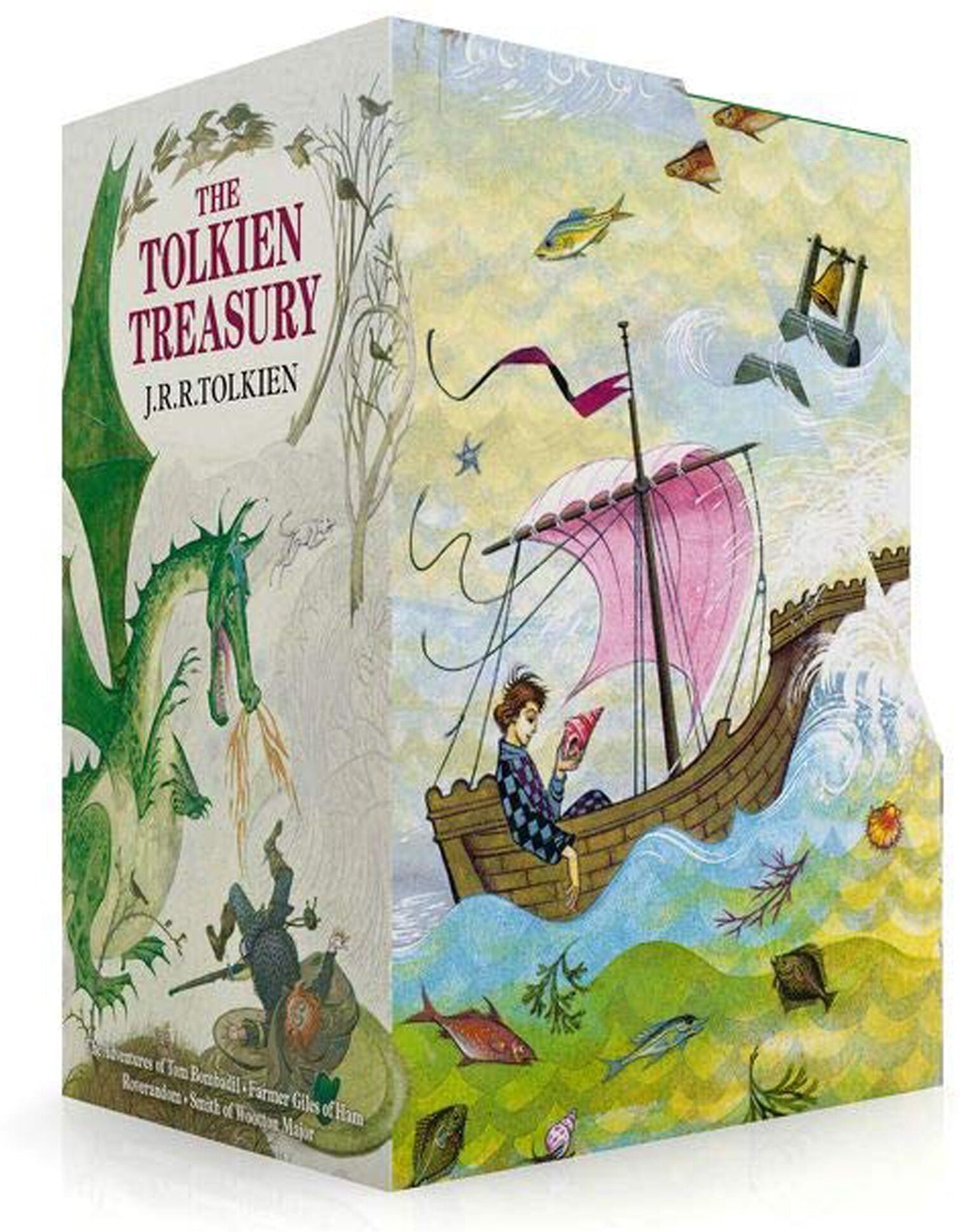
HARPERCOLLINS The Tolkien Treasury Collection 4 Books Box Gift Set PackThe Tolkien Treasury Collection 4 Books Box Gift Set Pack Roverandom Roverandom is a real dog who is magically transformed into a toy and is forced to seek out the wizard who wronged him in order to be returned to normal. The story was written to console Tolkien's four-year-old son, Michael, who lost a beloved toy dog on the beach. Farmer Giles of Ham Farmer Giles did not look like a hero. He was fat and red-bearded and enjoyed a slow, comfortable life. Then one day a rather deaf and short-sighted giant blundered on to his land The Adventures of Tom Bombadil The Adventures of Tom Bombadil collects hobbit-verses from the Red Book and other poems relating legends and jests of the Shire at the end of the Third Age Smith of Wootton Major Smith of Wootton Major tells of the preparation of the Great Cake to mark the Feast of Good Children and the magical events which follow.32,99 £*Shipping: 2,99 £Secure redirect to the provider
-
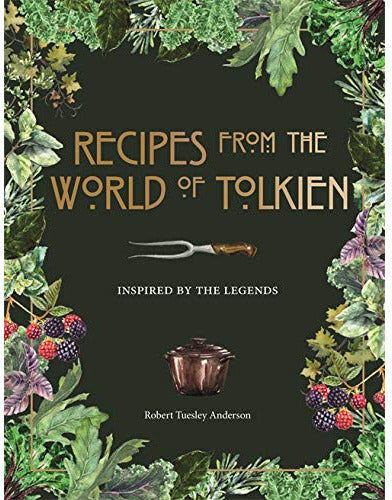
Pyramid DAMAGED - Recipes from the World of Tolkien: Inspired by the LegendsEver wondered what Lembas Bread, Cram, or Beorn's Honey Cakes might taste like? From Crickhollow Apple Loaf, Pippin's Minas Tirith Lunch, and Brandywine Fish Pie to Dwarven Spiced Pickled Beetroot, Westfarthing Fairings, and Beorn's Twice-Baked Cakes, Recipes from the World of Tolkien includes over 75 mouth-watering recipes that will take you on a journey through Middle-earth, delivering a treat for your taste buds and your imagination. Immerse yourself in Tolkien's epic fantasy world with recipes inspired by its places and characters. Whether it's breakfast or second breakfast, elevenses or afternoon tea, lunch or dinner - cook up a feast fit for orcs and elves alike. This collection of delicious recipes also features stunning illustrations and artwork throughout, as well as short feature essays that explore the compelling role of food in Tolkien's works. This is the perfect, must-have addition to any Tolkien fan's bookshelf.5,99 £*Shipping: 2,99 £Secure redirect to the provider
-
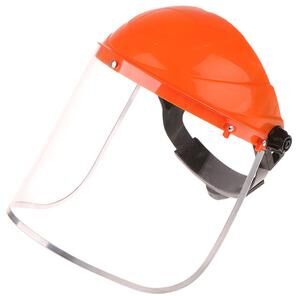
Perfect Picks Market ClearGuard Full Face Shield Mask For Motorcycle Riding, Work Safety & Splash Protection orangeStay protected without sacrificing comfort or visibility. This full face shield is designed for riders, workers, and anyone needing reliable everyday face coverage in busy environments. Made with a clear PC visor, it helps guard against dust, wind,...34,97 $*Shipping: 0,00 $Secure redirect to the provider
-
In what order are the Tolkien books?
The order of the main books in J.R.R. Tolkien's Middle-earth legendarium is as follows: "The Hobbit," "The Lord of the Rings" trilogy (which consists of "The Fellowship of the Ring," "The Two Towers," and "The Return of the King"), and "The Silmarillion." While "The Hobbit" is a standalone story, "The Lord of the Rings" trilogy follows a continuous narrative and should be read in order. "The Silmarillion" provides a deeper dive into the history and mythology of Middle-earth. **
-
Why didn't J.R.R. Tolkien like the Germans?
J.R.R. Tolkien did not have a personal dislike for Germans as a whole. However, he did have negative feelings towards the German Nazi regime and its ideology, particularly due to their promotion of racial purity and their aggressive expansionist policies during World War II. Tolkien's own experiences fighting in World War I and witnessing the devastation caused by war may have also influenced his views on militarism and totalitarianism. **
-
What are the names of J.R.R. Tolkien?
J.R.R. Tolkien's full name is John Ronald Reuel Tolkien. He was born on January 3, 1892, in Bloemfontein, South Africa. He was an English writer, poet, philologist, and university professor, best known as the author of the classic high fantasy works "The Hobbit," "The Lord of the Rings," and "The Silmarillion." **
-
What is the order of the Tolkien books?
The order of the main Tolkien books is as follows: 1. "The Hobbit" - a prelude to "The Lord of the Rings" series. 2. "The Lord of the Rings" series, consisting of three books: - "The Fellowship of the Ring" - "The Two Towers" - "The Return of the King" 3. "The Silmarillion" - a collection of mythopoeic works that delve into the history and mythology of Middle-earth. 4. Other works such as "The Children of Húrin," "Unfinished Tales," and "The History of Middle-earth" series provide additional insights into Tolkien's legendarium. **

Which books by J.R.R. Tolkien are the best translation?
The best translations of J.R.R. Tolkien's works are often considered to be those that stay true to the original text while capturing the essence and tone of his writing. Some popular translations include those in French by Daniel Lauzon, in Spanish by Rubén Masera, and in German by Wolfgang Krege. These translations are praised for their attention to detail and ability to convey the rich world-building and intricate storytelling of Tolkien's works. Ultimately, the best translation may vary depending on individual preferences and language proficiency. **
Does Tolkien mention anywhere that Elves have long hair?
Yes, Tolkien does mention that Elves have long hair in his writings. In "The Silmarillion," he describes the Elves as having long, flowing hair that is often described as shining or radiant. Additionally, in "The Lord of the Rings," Legolas, a prominent Elf character, is described as having long golden hair. Overall, Tolkien's portrayal of Elves consistently includes the characteristic of long hair. **
Top-Angebote
Products related to Tolkien:
-
HARPERCOLLINS The Tolkien Treasury Collection 4 Books Box Gift Set PackThe Tolkien Treasury Collection 4 Books Box Gift Set Pack Roverandom Roverandom is a real dog who is magically transformed into a toy and is forced to seek out the wizard who wronged him in order to be returned to normal. The story was written to console Tolkien's four-year-old son, Michael, who lost a beloved toy dog on the beach. Farmer Giles of Ham Farmer Giles did not look like a hero. He was fat and red-bearded and enjoyed a slow, comfortable life. Then one day a rather deaf and short-sighted giant blundered on to his land The Adventures of Tom Bombadil The Adventures of Tom Bombadil collects hobbit-verses from the Red Book and other poems relating legends and jests of the Shire at the end of the Third Age Smith of Wootton Major Smith of Wootton Major tells of the preparation of the Great Cake to mark the Feast of Good Children and the magical events which follow.32,99 £*Shipping: 2,99 £Secure redirect to the provider
-
Pyramid DAMAGED - Recipes from the World of Tolkien: Inspired by the LegendsEver wondered what Lembas Bread, Cram, or Beorn's Honey Cakes might taste like? From Crickhollow Apple Loaf, Pippin's Minas Tirith Lunch, and Brandywine Fish Pie to Dwarven Spiced Pickled Beetroot, Westfarthing Fairings, and Beorn's Twice-Baked Cakes, Recipes from the World of Tolkien includes over 75 mouth-watering recipes that will take you on a journey through Middle-earth, delivering a treat for your taste buds and your imagination. Immerse yourself in Tolkien's epic fantasy world with recipes inspired by its places and characters. Whether it's breakfast or second breakfast, elevenses or afternoon tea, lunch or dinner - cook up a feast fit for orcs and elves alike. This collection of delicious recipes also features stunning illustrations and artwork throughout, as well as short feature essays that explore the compelling role of food in Tolkien's works. This is the perfect, must-have addition to any Tolkien fan's bookshelf.5,99 £*Shipping: 2,99 £Secure redirect to the provider
-
Why didn't Tolkien like Disney?
Tolkien didn't like Disney because he felt that the company's approach to storytelling and adaptation was too commercial and lacked the depth and seriousness of his own work. He was also concerned that Disney's adaptations would oversimplify and distort the themes and characters of his stories, which were deeply rooted in his own personal experiences and beliefs. Additionally, Tolkien was protective of his creative vision and wanted his work to be treated with the same level of respect and integrity that he had put into it. **
-
How many books did Tolkien write?
J.R.R. Tolkien wrote a total of 23 books during his lifetime. These include his famous works such as "The Hobbit," "The Lord of the Rings" trilogy, and "The Silmarillion," as well as various other essays, poems, and academic publications. Tolkien's books have had a lasting impact on the fantasy genre and continue to be beloved by readers around the world. **
-
In what order are the Tolkien books?
The order of the main books in J.R.R. Tolkien's Middle-earth legendarium is as follows: "The Hobbit," "The Lord of the Rings" trilogy (which consists of "The Fellowship of the Ring," "The Two Towers," and "The Return of the King"), and "The Silmarillion." While "The Hobbit" is a standalone story, "The Lord of the Rings" trilogy follows a continuous narrative and should be read in order. "The Silmarillion" provides a deeper dive into the history and mythology of Middle-earth. **
-
Why didn't J.R.R. Tolkien like the Germans?
J.R.R. Tolkien did not have a personal dislike for Germans as a whole. However, he did have negative feelings towards the German Nazi regime and its ideology, particularly due to their promotion of racial purity and their aggressive expansionist policies during World War II. Tolkien's own experiences fighting in World War I and witnessing the devastation caused by war may have also influenced his views on militarism and totalitarianism. **
Similar search terms for Tolkien
-
Perfect Picks Market ClearGuard Full Face Shield Mask For Motorcycle Riding, Work Safety & Splash Protection orangeStay protected without sacrificing comfort or visibility. This full face shield is designed for riders, workers, and anyone needing reliable everyday face coverage in busy environments. Made with a clear PC visor, it helps guard against dust, wind,...34,97 $*Shipping: 0,00 $Secure redirect to the provider
-
What are the names of J.R.R. Tolkien?
J.R.R. Tolkien's full name is John Ronald Reuel Tolkien. He was born on January 3, 1892, in Bloemfontein, South Africa. He was an English writer, poet, philologist, and university professor, best known as the author of the classic high fantasy works "The Hobbit," "The Lord of the Rings," and "The Silmarillion." **
-
What is the order of the Tolkien books?
The order of the main Tolkien books is as follows: 1. "The Hobbit" - a prelude to "The Lord of the Rings" series. 2. "The Lord of the Rings" series, consisting of three books: - "The Fellowship of the Ring" - "The Two Towers" - "The Return of the King" 3. "The Silmarillion" - a collection of mythopoeic works that delve into the history and mythology of Middle-earth. 4. Other works such as "The Children of Húrin," "Unfinished Tales," and "The History of Middle-earth" series provide additional insights into Tolkien's legendarium. **
-
Which books by J.R.R. Tolkien are the best translation?
The best translations of J.R.R. Tolkien's works are often considered to be those that stay true to the original text while capturing the essence and tone of his writing. Some popular translations include those in French by Daniel Lauzon, in Spanish by Rubén Masera, and in German by Wolfgang Krege. These translations are praised for their attention to detail and ability to convey the rich world-building and intricate storytelling of Tolkien's works. Ultimately, the best translation may vary depending on individual preferences and language proficiency. **
-
Does Tolkien mention anywhere that Elves have long hair?
Yes, Tolkien does mention that Elves have long hair in his writings. In "The Silmarillion," he describes the Elves as having long, flowing hair that is often described as shining or radiant. Additionally, in "The Lord of the Rings," Legolas, a prominent Elf character, is described as having long golden hair. Overall, Tolkien's portrayal of Elves consistently includes the characteristic of long hair. **
* All prices are inclusive of VAT and, if applicable, plus shipping costs. The offer information is based on the details provided by the respective shop and is updated through automated processes. Real-time updates do not occur, so deviations can occur in individual cases. ** Note: Parts of this content were created by AI.