Buy airbagjacket.eu ?
We are moving the project
airbagjacket.eu .
Are you interested in purchasing the domain
airbagjacket.eu ?
domain@kv-gmbh.de · 0541-91531010
Buy airbagjacket.eu ?
Are halogens reducing agents?
No, halogens are not reducing agents. In chemical reactions, reducing agents are substances that donate electrons to other reactants, causing them to be reduced. Halogens, on the other hand, are highly electronegative elements that tend to gain electrons rather than lose them, making them more likely to act as oxidizing agents. **
Are all halogens toxic?
Yes, all halogens are toxic to some extent. Halogens such as fluorine, chlorine, bromine, and iodine can be harmful if ingested, inhaled, or absorbed through the skin in large amounts. They can cause irritation, burns, and even more serious health effects depending on the level of exposure. It is important to handle halogens with caution and follow proper safety protocols when working with them. **

Similar search terms for Halogens
Top-Angebote
Products related to Halogens:
-
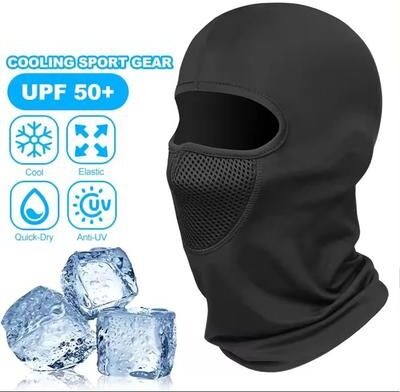
USA Free Shipping Shop AeroShield UV Protection Motorcycle Face Mask & Breathable Riding Cover AeroShield UV Protection Motorcycle Face Mask & Breathable Riding CoverStay cool, protected, and comfortable no matter where the road takes you. The motorcycle face mask is designed for riders, cyclists, hikers, and outdoor enthusiasts who need reliable coverage from sun, dust, and wind. Made with a lightweight,...33,97 $*Shipping: 0,00 $Secure redirect to the provider
-
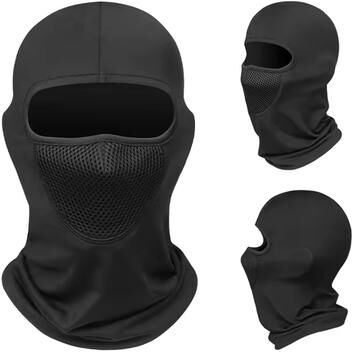
Uplifted Finds Breathable Motorcycle Balaclava Full Face Mask For Riding Protection redStay comfortable and protected on every ride with this breathable motorcycle balaclava full face mask. Designed from soft, lightweight polyester fiber, it offers excellent ventilation while shielding your face, neck, and head from wind, dust, and...70,97 $*Shipping: 0,00 $Secure redirect to the provider
-
ForAllApparel Motorcycle Winter Head Gear That Shields Ears & Neck From Wind, Fleece Lined Riding Head Cover khakiCold wind at riding speeds hits harder and faster, especially around the ears and neck. This motorcycle winter head gear is designed to reduce that exposure and keep rides comfortable in low temperatures. A warm fleece interior helps retain heat...32,97 $*Shipping: 0,00 $Secure redirect to the provider
-
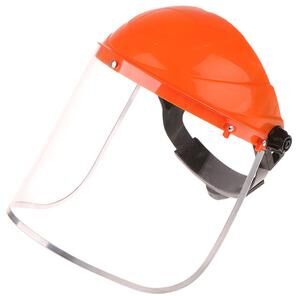
Perfect Picks Market ClearGuard Full Face Shield Mask For Motorcycle Riding, Work Safety & Splash Protection orangeStay protected without sacrificing comfort or visibility. This full face shield is designed for riders, workers, and anyone needing reliable everyday face coverage in busy environments. Made with a clear PC visor, it helps guard against dust, wind,...34,97 $*Shipping: 0,00 $Secure redirect to the provider


-
Why are halogens so reactive?
Halogens are so reactive because they have seven electrons in their outermost energy level, making them only one electron short of achieving a stable octet configuration. This makes them highly reactive as they tend to gain an electron to achieve a stable electron configuration. Halogens readily react with other elements to gain that missing electron, forming stable compounds. This reactivity is what makes halogens useful in a variety of chemical reactions and applications. **
-
Which halogens are found in algae?
Halogens found in algae include chlorine, bromine, and iodine. These halogens play important roles in the metabolism and growth of algae. Chlorine is involved in photosynthesis, bromine is essential for the production of certain compounds, and iodine is important for the regulation of growth and development in algae. **
-
Which halogens are present in algae?
Algae can contain various halogens, including chlorine, bromine, and iodine. These halogens are essential for the growth and development of algae, as they are involved in various physiological processes such as osmoregulation, antioxidant defense, and the production of bioactive compounds. Additionally, the presence of halogens in algae can also have ecological implications, as they can influence the interactions between algae and other organisms in their environment. **
-
What does the term halogens mean?
The term halogens refers to a group of chemical elements that belong to Group 17 of the periodic table. These elements include fluorine, chlorine, bromine, iodine, and astatine. Halogens are highly reactive nonmetals that have seven electrons in their outermost energy level, making them likely to form compounds by gaining one electron to achieve a full outer shell. They are known for their distinctive color, odor, and ability to react with metals to form salts. **


What is the room temperature of halogens?
The room temperature of halogens varies depending on the specific element. For example, fluorine is a gas at room temperature, chlorine is a gas, bromine is a liquid, and iodine is a solid. Overall, halogens tend to have low melting and boiling points compared to other elements, which is why they are typically found in gas or liquid form at room temperature. **
What is the boiling point of the halogens?
The boiling points of the halogens increase as you move down the group in the periodic table. Fluorine, the lightest halogen, has a boiling point of -188.1°C, while chlorine has a boiling point of -34.04°C. Bromine, the third halogen, has a boiling point of 58.8°C, and iodine, the heaviest halogen, has a boiling point of 184.3°C. Astatine, the rarest halogen, has a boiling point of 337°C. **
Top-Angebote
Products related to Halogens:
-
Perfect Picks Market ClearGuard Full Face Shield Mask For Motorcycle Riding, Work Safety & Splash Protection yellowStay protected without sacrificing comfort or visibility. This full face shield is designed for riders, workers, and anyone needing reliable everyday face coverage in busy environments. Made with a clear PC visor, it helps guard against dust, wind,...34,97 $*Shipping: 0,00 $Secure redirect to the provider
-
Uplift Essentials Motorcycle Riding Balaclava Wind Protection & Thermal Warmth Full Face Mask Motorcycle Riding Balaclava Wind Protection & Thermal Warmth Full Face MaskRide through the harshest conditions with this highperformance Motorcycle Riding Mask. Engineered specifically for bikers, this fullface balaclava serves as an essential thermal barrier, providing comprehensive wind protection and warmth for your...34,97 $*Shipping: 0,00 $Secure redirect to the provider
-
USA Free Shipping Shop AeroShield UV Protection Motorcycle Face Mask & Breathable Riding Cover AeroShield UV Protection Motorcycle Face Mask & Breathable Riding CoverStay cool, protected, and comfortable no matter where the road takes you. The motorcycle face mask is designed for riders, cyclists, hikers, and outdoor enthusiasts who need reliable coverage from sun, dust, and wind. Made with a lightweight,...33,97 $*Shipping: 0,00 $Secure redirect to the provider
-
Uplifted Finds Breathable Motorcycle Balaclava Full Face Mask For Riding Protection redStay comfortable and protected on every ride with this breathable motorcycle balaclava full face mask. Designed from soft, lightweight polyester fiber, it offers excellent ventilation while shielding your face, neck, and head from wind, dust, and...70,97 $*Shipping: 0,00 $Secure redirect to the provider
-
Are halogens reducing agents?
No, halogens are not reducing agents. In chemical reactions, reducing agents are substances that donate electrons to other reactants, causing them to be reduced. Halogens, on the other hand, are highly electronegative elements that tend to gain electrons rather than lose them, making them more likely to act as oxidizing agents. **
-
Are all halogens toxic?
Yes, all halogens are toxic to some extent. Halogens such as fluorine, chlorine, bromine, and iodine can be harmful if ingested, inhaled, or absorbed through the skin in large amounts. They can cause irritation, burns, and even more serious health effects depending on the level of exposure. It is important to handle halogens with caution and follow proper safety protocols when working with them. **
-
Why are halogens so reactive?
Halogens are so reactive because they have seven electrons in their outermost energy level, making them only one electron short of achieving a stable octet configuration. This makes them highly reactive as they tend to gain an electron to achieve a stable electron configuration. Halogens readily react with other elements to gain that missing electron, forming stable compounds. This reactivity is what makes halogens useful in a variety of chemical reactions and applications. **
-
Which halogens are found in algae?
Halogens found in algae include chlorine, bromine, and iodine. These halogens play important roles in the metabolism and growth of algae. Chlorine is involved in photosynthesis, bromine is essential for the production of certain compounds, and iodine is important for the regulation of growth and development in algae. **
Similar search terms for Halogens
-
ForAllApparel Motorcycle Winter Head Gear That Shields Ears & Neck From Wind, Fleece Lined Riding Head Cover khakiCold wind at riding speeds hits harder and faster, especially around the ears and neck. This motorcycle winter head gear is designed to reduce that exposure and keep rides comfortable in low temperatures. A warm fleece interior helps retain heat...32,97 $*Shipping: 0,00 $Secure redirect to the provider
-
Perfect Picks Market ClearGuard Full Face Shield Mask For Motorcycle Riding, Work Safety & Splash Protection orangeStay protected without sacrificing comfort or visibility. This full face shield is designed for riders, workers, and anyone needing reliable everyday face coverage in busy environments. Made with a clear PC visor, it helps guard against dust, wind,...34,97 $*Shipping: 0,00 $Secure redirect to the provider
-
Uplifted Finds Breathable Motorcycle Balaclava Full Face Mask For Riding Protection blueStay comfortable and protected on every ride with this breathable motorcycle balaclava full face mask. Designed from soft, lightweight polyester fiber, it offers excellent ventilation while shielding your face, neck, and head from wind, dust, and...70,97 $*Shipping: 0,00 $Secure redirect to the provider
-
Uplifted Finds Breathable Motorcycle Balaclava Full Face Mask For Riding Protection blackStay comfortable and protected on every ride with this breathable motorcycle balaclava full face mask. Designed from soft, lightweight polyester fiber, it offers excellent ventilation while shielding your face, neck, and head from wind, dust, and...70,97 $*Shipping: 0,00 $Secure redirect to the provider
-
Which halogens are present in algae?
Algae can contain various halogens, including chlorine, bromine, and iodine. These halogens are essential for the growth and development of algae, as they are involved in various physiological processes such as osmoregulation, antioxidant defense, and the production of bioactive compounds. Additionally, the presence of halogens in algae can also have ecological implications, as they can influence the interactions between algae and other organisms in their environment. **
-
What does the term halogens mean?
The term halogens refers to a group of chemical elements that belong to Group 17 of the periodic table. These elements include fluorine, chlorine, bromine, iodine, and astatine. Halogens are highly reactive nonmetals that have seven electrons in their outermost energy level, making them likely to form compounds by gaining one electron to achieve a full outer shell. They are known for their distinctive color, odor, and ability to react with metals to form salts. **
-
What is the room temperature of halogens?
The room temperature of halogens varies depending on the specific element. For example, fluorine is a gas at room temperature, chlorine is a gas, bromine is a liquid, and iodine is a solid. Overall, halogens tend to have low melting and boiling points compared to other elements, which is why they are typically found in gas or liquid form at room temperature. **
-
What is the boiling point of the halogens?
The boiling points of the halogens increase as you move down the group in the periodic table. Fluorine, the lightest halogen, has a boiling point of -188.1°C, while chlorine has a boiling point of -34.04°C. Bromine, the third halogen, has a boiling point of 58.8°C, and iodine, the heaviest halogen, has a boiling point of 184.3°C. Astatine, the rarest halogen, has a boiling point of 337°C. **
* All prices are inclusive of VAT and, if applicable, plus shipping costs. The offer information is based on the details provided by the respective shop and is updated through automated processes. Real-time updates do not occur, so deviations can occur in individual cases. ** Note: Parts of this content were created by AI.