Buy airbagjacket.eu ?
We are moving the project
airbagjacket.eu .
Are you interested in purchasing the domain
airbagjacket.eu ?
domain@kv-gmbh.de · 0541-91531010
Buy airbagjacket.eu ?
How does a motorcycle shock absorber work?
A motorcycle shock absorber works by dampening the vibrations and impacts that occur when riding over uneven surfaces. It consists of a piston that moves up and down inside a cylinder filled with hydraulic fluid. When the motorcycle hits a bump, the piston compresses the fluid, which absorbs the energy of the impact. This helps to smooth out the ride and improve handling by reducing the amount of bounce and vibration transferred to the rider. **
What about the shock absorber?
The shock absorber is a crucial component of a vehicle's suspension system that helps to absorb and dampen the impact of bumps and vibrations on the road. It works by converting the kinetic energy of the suspension movement into thermal energy, which is then dissipated. A properly functioning shock absorber ensures a smoother ride, better handling, and improved stability of the vehicle. Regular maintenance and inspection of the shock absorbers are important to ensure optimal performance and safety while driving. **
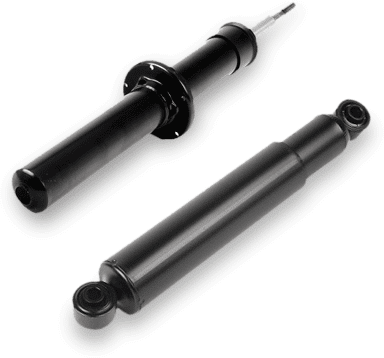

Similar search terms for ASHIKA-MA-60027-Shock-absorber
Top-Angebote
Products related to ASHIKA-MA-60027-Shock-absorber:
-
ASHIKA MA-00864 Shock absorberShock Absorber System: Twin-Tube; Shock Absorber Design: Suspension Strut; Shock Absorber Type: Gas Pressure; Fitting Position: Front Axle Left; Paired product: MA-00863; article number of recommended accessories: SMA0174; Shock Absorber Mounting Type: Top pin; for OE number: 31316789853; Suspension: for vehicles with standard suspension, for vehicles with sports suspension93,49 £*Shipping: 8,45 £Secure redirect to the provider
-
ASHIKA MA-00790 Shock absorberFitting Position: Front Axle; Shock Absorber Mounting Type: Top pin, Bottom eye; Shock Absorber Type: Oil Pressure; Diameter 1 [mm]: 45; Shock Absorber Design: Telescopic Shock Absorber; for OE number: 652100X825; Construction Year to: 01/199397,98 £*Shipping: 8,45 £Secure redirect to the provider
-
ASHIKA MA-22058 Shock absorberFitting Position: Front Axle Left; Shock Absorber System: Twin-Tube; Shock Absorber Type: Gas Pressure; Paired product: MA-22057; Shock Absorber Design: Suspension Strut; Shock Absorber Mounting Type: Top pin; for OE number: 485202974588,49 £*Shipping: 8,45 £Secure redirect to the provider
-
ASHIKA MA-00021 Shock absorberFitting Position: Front Axle; Shock Absorber Type: Gas Pressure; Shock Absorber Design: Suspension Strut Insert; Shock Absorber Mounting Type: Top pin; for OE number: 8A0413503K; Construction Year from: 09/1978, 10/1986, 08/1981, 09/1984, 01/1982, 03/1981, 11/1980; Construction Year to: 09/1988, 12/199572,99 £*Shipping: 8,45 £Secure redirect to the provider


-
What is a shock absorber?
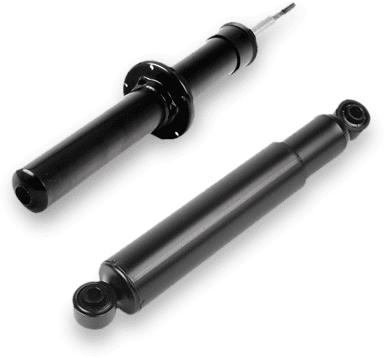
A shock absorber is a mechanical device designed to dampen and absorb the impact and vibrations that occur when a vehicle travels over rough terrain or encounters bumps in the road. It is typically located near the wheels of a vehicle and works by converting the kinetic energy generated by the movement of the suspension into heat energy, which is then dissipated. This helps to provide a smoother and more controlled ride for the vehicle's occupants by reducing the jolts and vibrations that would otherwise be felt. **
-
Is the shock absorber defective?
To determine if the shock absorber is defective, you should first inspect it for any visible damage such as leaks, dents, or worn-out parts. Next, test the shock absorber by pushing down on the vehicle and observing how it responds. If the vehicle bounces excessively or the shock absorber does not provide resistance, it may be defective. Additionally, if you notice uneven tire wear or a rough ride, it could also indicate a defective shock absorber. It's important to have a professional mechanic inspect and diagnose the issue to determine if the shock absorber needs to be replaced. **
-
"Is my shock absorber failing?"
If you suspect that your shock absorber is failing, there are a few signs to look out for. These include excessive bouncing or swaying when driving over bumps, uneven tire wear, a bumpy or shaky ride, and fluid leaks around the shock absorber. If you notice any of these symptoms, it's important to have your shock absorbers inspected by a professional to ensure your safety and the proper functioning of your vehicle. **
-
How does a shock absorber work on a motorcycle?
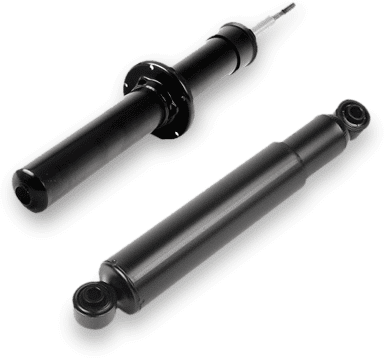
A shock absorber on a motorcycle works by dampening the vibrations and impacts that occur when the bike encounters bumps or uneven terrain. It consists of a piston that moves up and down within a cylinder filled with hydraulic fluid. When the motorcycle hits a bump, the piston compresses the fluid, absorbing the energy of the impact. This helps to maintain stability and control of the motorcycle by preventing excessive bouncing or jolting. **

How do you change the shock absorber on a motorcycle?
To change the shock absorber on a motorcycle, you will need to first lift the motorcycle and secure it on a stand to ensure stability. Then, you will need to remove the bolts that hold the shock absorber in place, and carefully detach the old shock absorber from the motorcycle. Next, you will need to install the new shock absorber by aligning it with the mounting points and securing it with the bolts. Finally, lower the motorcycle from the stand and test the new shock absorber to ensure it is functioning properly. It's important to consult the motorcycle's manual or seek professional help if you are unsure about the process. **
How do I adjust the shock absorber?
To adjust the shock absorber, you will need to locate the adjustment knob or screw on the shock. Use the appropriate tool, such as a wrench or screwdriver, to turn the knob or screw clockwise to increase stiffness or counterclockwise to decrease stiffness. It is important to make small adjustments and test the shock absorber by riding your bike to ensure it is set to your desired level of comfort and performance. If you are unsure about how to adjust the shock absorber, it is recommended to consult the manufacturer's manual or seek assistance from a professional bike mechanic. **
Top-Angebote
Products related to ASHIKA-MA-60027-Shock-absorber:
-
ASHIKA MA-60027 Shock absorberFitting Position: Front Axle Right; Shock Absorber System: Twin-Tube; Shock Absorber Type: Gas Pressure; Shock Absorber Design: Suspension Strut; Shock Absorber Mounting Type: Top pin; Paired product: MA-60028; for OE number: 48510B248082,49 £*Shipping: 8,45 £Secure redirect to the provider
-
ASHIKA MA-00946 Shock absorberFitting Position: Front Axle; Shock Absorber System: Twin-Tube; Shock Absorber Type: Gas Pressure; Shock Absorber Design: Suspension Strut; article number of recommended accessories: SMA0176; Shock Absorber Mounting Type: Top pin; for OE number: 9063201530; Suspension: for vehicles with standard suspension, for vehicles with heavy duty suspension, for vehicles with bad road version235,98 £*Shipping: 8,45 £Secure redirect to the provider
-
ASHIKA MA-00864 Shock absorberShock Absorber System: Twin-Tube; Shock Absorber Design: Suspension Strut; Shock Absorber Type: Gas Pressure; Fitting Position: Front Axle Left; Paired product: MA-00863; article number of recommended accessories: SMA0174; Shock Absorber Mounting Type: Top pin; for OE number: 31316789853; Suspension: for vehicles with standard suspension, for vehicles with sports suspension93,49 £*Shipping: 8,45 £Secure redirect to the provider
-
ASHIKA MA-00790 Shock absorberFitting Position: Front Axle; Shock Absorber Mounting Type: Top pin, Bottom eye; Shock Absorber Type: Oil Pressure; Diameter 1 [mm]: 45; Shock Absorber Design: Telescopic Shock Absorber; for OE number: 652100X825; Construction Year to: 01/199397,98 £*Shipping: 8,45 £Secure redirect to the provider
-
How does a motorcycle shock absorber work?
A motorcycle shock absorber works by dampening the vibrations and impacts that occur when riding over uneven surfaces. It consists of a piston that moves up and down inside a cylinder filled with hydraulic fluid. When the motorcycle hits a bump, the piston compresses the fluid, which absorbs the energy of the impact. This helps to smooth out the ride and improve handling by reducing the amount of bounce and vibration transferred to the rider. **
-
What about the shock absorber?
The shock absorber is a crucial component of a vehicle's suspension system that helps to absorb and dampen the impact of bumps and vibrations on the road. It works by converting the kinetic energy of the suspension movement into thermal energy, which is then dissipated. A properly functioning shock absorber ensures a smoother ride, better handling, and improved stability of the vehicle. Regular maintenance and inspection of the shock absorbers are important to ensure optimal performance and safety while driving. **
-
What is a shock absorber?
A shock absorber is a mechanical device designed to dampen and absorb the impact and vibrations that occur when a vehicle travels over rough terrain or encounters bumps in the road. It is typically located near the wheels of a vehicle and works by converting the kinetic energy generated by the movement of the suspension into heat energy, which is then dissipated. This helps to provide a smoother and more controlled ride for the vehicle's occupants by reducing the jolts and vibrations that would otherwise be felt. **
-
Is the shock absorber defective?
To determine if the shock absorber is defective, you should first inspect it for any visible damage such as leaks, dents, or worn-out parts. Next, test the shock absorber by pushing down on the vehicle and observing how it responds. If the vehicle bounces excessively or the shock absorber does not provide resistance, it may be defective. Additionally, if you notice uneven tire wear or a rough ride, it could also indicate a defective shock absorber. It's important to have a professional mechanic inspect and diagnose the issue to determine if the shock absorber needs to be replaced. **
Similar search terms for ASHIKA-MA-60027-Shock-absorber
-
ASHIKA MA-22058 Shock absorberFitting Position: Front Axle Left; Shock Absorber System: Twin-Tube; Shock Absorber Type: Gas Pressure; Paired product: MA-22057; Shock Absorber Design: Suspension Strut; Shock Absorber Mounting Type: Top pin; for OE number: 485202974588,49 £*Shipping: 8,45 £Secure redirect to the provider
-
ASHIKA MA-00021 Shock absorberFitting Position: Front Axle; Shock Absorber Type: Gas Pressure; Shock Absorber Design: Suspension Strut Insert; Shock Absorber Mounting Type: Top pin; for OE number: 8A0413503K; Construction Year from: 09/1978, 10/1986, 08/1981, 09/1984, 01/1982, 03/1981, 11/1980; Construction Year to: 09/1988, 12/199572,99 £*Shipping: 8,45 £Secure redirect to the provider
-
ASHIKA MA-00058 Shock absorberFitting Position: Front Axle Left; Shock Absorber Type: Gas Pressure; Shock Absorber Design: Suspension Strut; Shock Absorber System: Twin-Tube; Paired product: MA-00059; article number of recommended accessories: SMA0174; Shock Absorber Mounting Type: Top pin; for OE number: 31316786017; Construction Year from: 09/2004; Suspension: for vehicles without M technology, for vehicles without sports suspension80,49 £*Shipping: 8,45 £Secure redirect to the provider
-
ASHIKA MA-00112 Shock absorberFitting Position: Front Axle Left; Shock Absorber System: Twin-Tube; Shock Absorber Type: Gas Pressure; Shock Absorber Design: Suspension Strut; Paired product: MA-00115; article number of recommended accessories: SMA0134, SMA0163, SMA0246; Shock Absorber Mounting Type: Top pin; for OE number: 5202GG; Construction Year from: 12/2002, 11/2002, 01/2001; Construction Year to: 05/2008, 03/2008; not for vehicle type: Entreprise, XA; Suspension: for vehicles without bad road version, for vehicles with standard suspension, for vehicles with heavy duty suspension, for vehicles with bad road version, for vehicles with height-adjustable suspension, for vehicles with increased ground clearance; Payload [kg]: 600, 80062,49 £*Shipping: 8,45 £Secure redirect to the provider
-
"Is my shock absorber failing?"
If you suspect that your shock absorber is failing, there are a few signs to look out for. These include excessive bouncing or swaying when driving over bumps, uneven tire wear, a bumpy or shaky ride, and fluid leaks around the shock absorber. If you notice any of these symptoms, it's important to have your shock absorbers inspected by a professional to ensure your safety and the proper functioning of your vehicle. **
-
How does a shock absorber work on a motorcycle?
A shock absorber on a motorcycle works by dampening the vibrations and impacts that occur when the bike encounters bumps or uneven terrain. It consists of a piston that moves up and down within a cylinder filled with hydraulic fluid. When the motorcycle hits a bump, the piston compresses the fluid, absorbing the energy of the impact. This helps to maintain stability and control of the motorcycle by preventing excessive bouncing or jolting. **
-
How do you change the shock absorber on a motorcycle?
To change the shock absorber on a motorcycle, you will need to first lift the motorcycle and secure it on a stand to ensure stability. Then, you will need to remove the bolts that hold the shock absorber in place, and carefully detach the old shock absorber from the motorcycle. Next, you will need to install the new shock absorber by aligning it with the mounting points and securing it with the bolts. Finally, lower the motorcycle from the stand and test the new shock absorber to ensure it is functioning properly. It's important to consult the motorcycle's manual or seek professional help if you are unsure about the process. **
-
How do I adjust the shock absorber?
To adjust the shock absorber, you will need to locate the adjustment knob or screw on the shock. Use the appropriate tool, such as a wrench or screwdriver, to turn the knob or screw clockwise to increase stiffness or counterclockwise to decrease stiffness. It is important to make small adjustments and test the shock absorber by riding your bike to ensure it is set to your desired level of comfort and performance. If you are unsure about how to adjust the shock absorber, it is recommended to consult the manufacturer's manual or seek assistance from a professional bike mechanic. **
* All prices are inclusive of VAT and, if applicable, plus shipping costs. The offer information is based on the details provided by the respective shop and is updated through automated processes. Real-time updates do not occur, so deviations can occur in individual cases. ** Note: Parts of this content were created by AI.